London Borough of Enfield
Windrush Enfield
Honouring the men and women who journeyed from the Caribbean to call Enfield home — building our community, shaping our streets, enriching all our lives.
Meet Our CommunityPartners & Supporters






"They did not come as visitors. They came as builders — of families, of communities, of this borough we all share."
Windrush Enfield Community Heritage Project
Faces of the Windrush Generation
Click on any portrait to discover their journey — where they came from, how they settled in Enfield, and the lasting mark they left on our community.
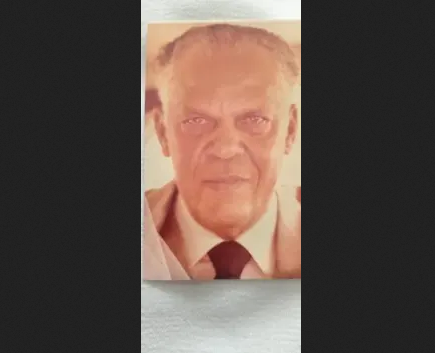
Became the first black park keeper in Pymms Park, known for his generosity and service to the community over decades.
Read their story →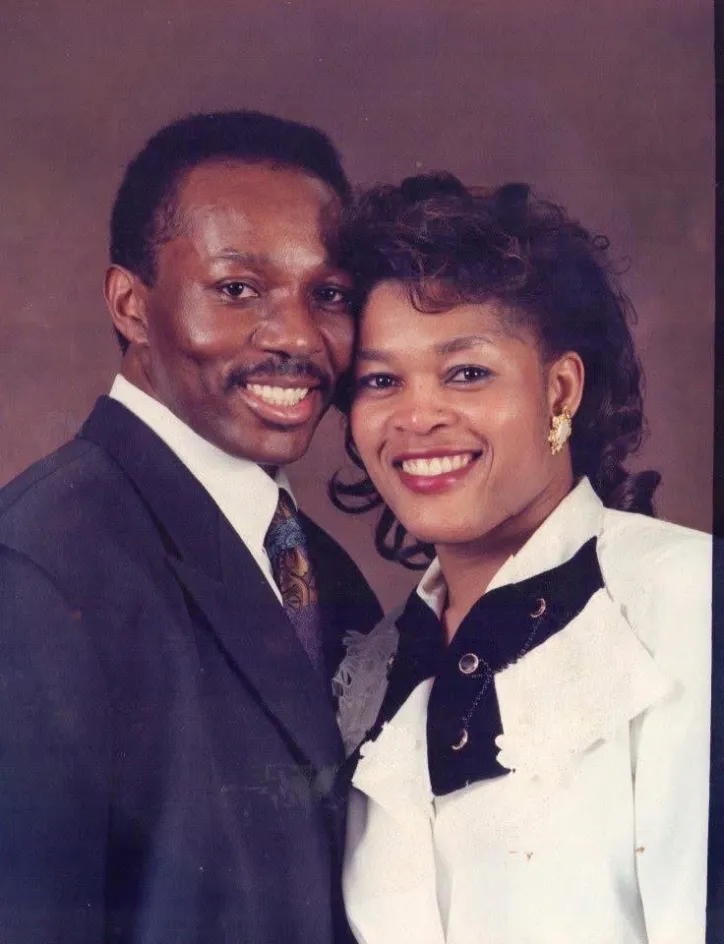
Arrived aged 6 from Jamaica and went on to create Lincoln’s Patisserie in 1988 — now a proper staple in the north London community.
Read their story →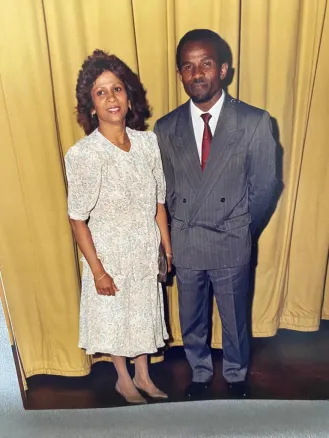
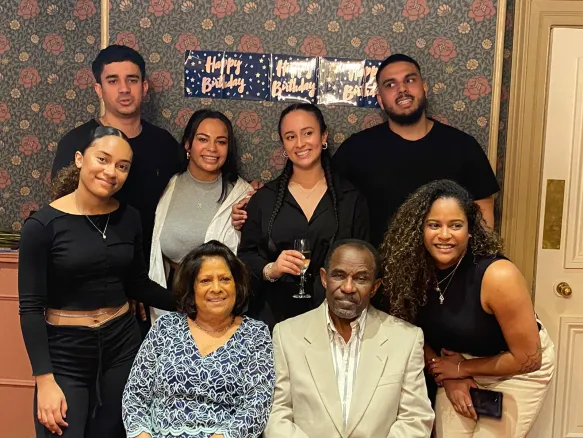
Two young Caribbean people who arrived alone and built a legacy of resilience, generosity and love — raising three children and six grandchildren.
Read their story →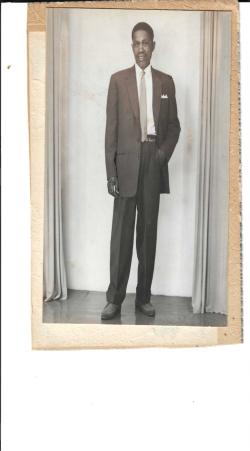
From Barbados by ship, raised 5 children while building a legacy of community service and education that continues to shape Enfield.
Read their story →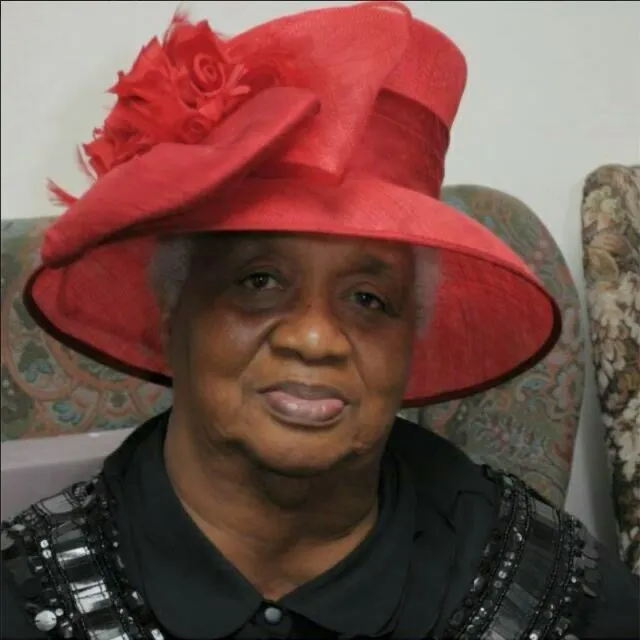
Founded GRACE Organisation in 1983, supporting over 1,000 senior citizens. Awarded MBE for her extraordinary dedication to community care.
Read their story →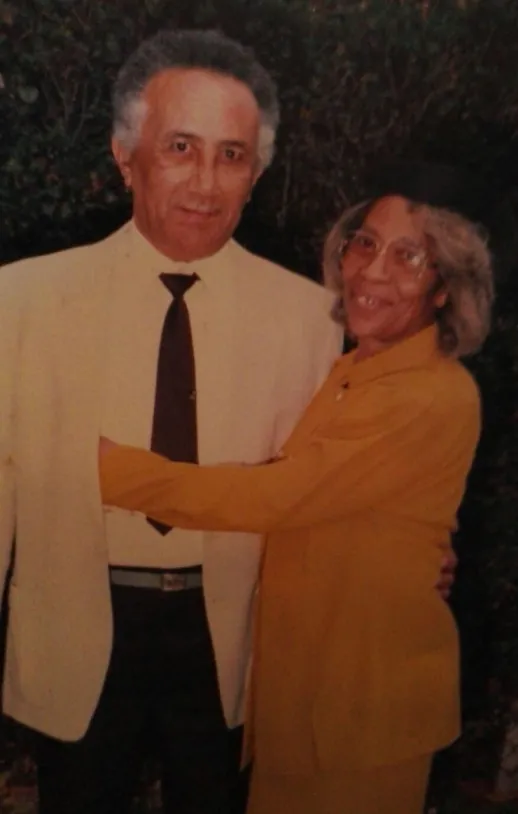
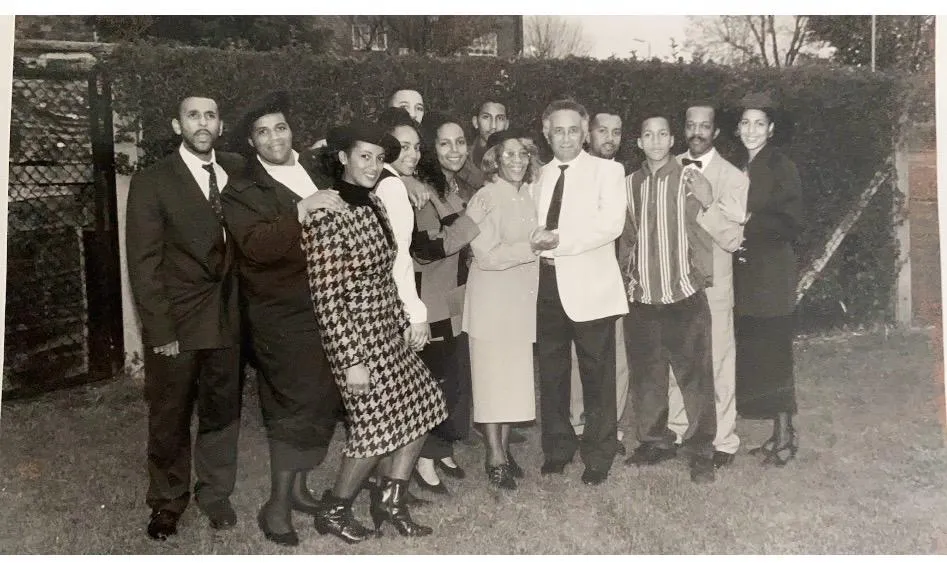
Esmie came over in 1960 and had her daughter in September that year. Together they built a family of 11 children in Edmonton — from cricket in Pymmes Park to an MBE and a National Mother of the Year Award.
Read their story →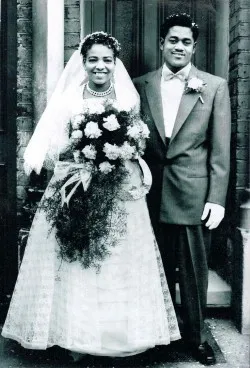
Telephone engineer and devoted pastor who served the community for decades, raising 6 children and fostering faith across generations.
Read their story →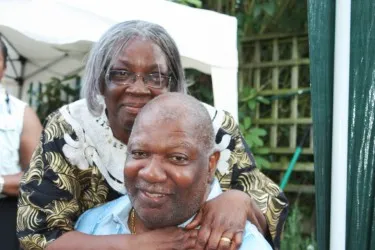
From dental nurse to Practice Manager, celebrated for "When Granny Came to England" workshops and legendary Caribbean catering.
Read their story →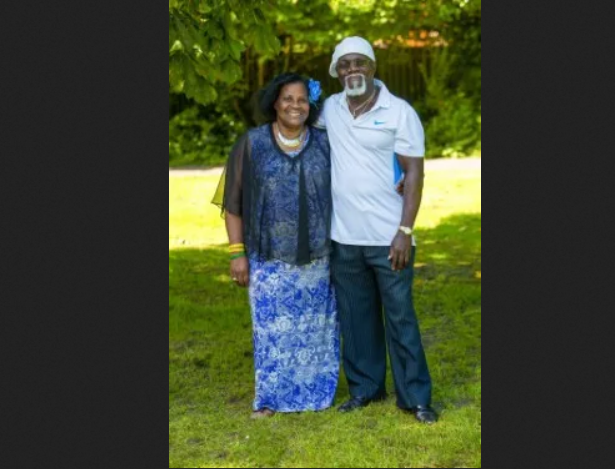
Community legends who became foster carers and youth workers, mentoring countless young people and creating a safe haven for generations.
Read their story →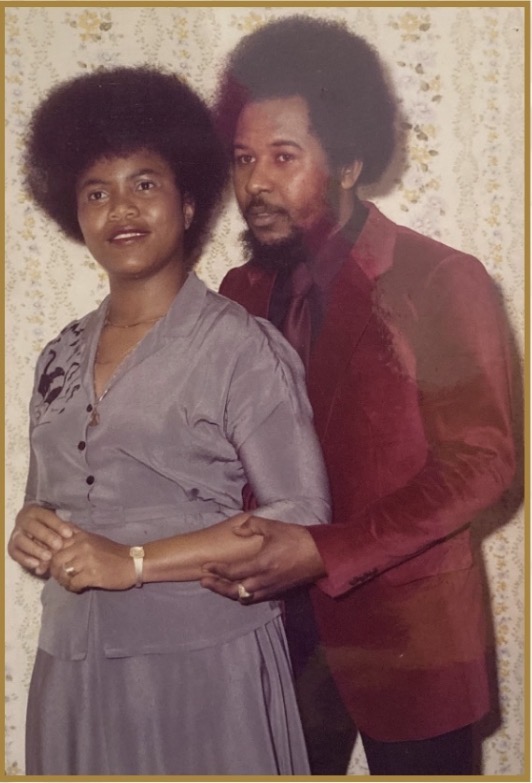
Pioneering foster carer who established the first private children's home in Enfield, transforming lives through nurturing rather than punishment.
Read their story →Do you have a family member who was part of the Windrush generation and settled in Enfield? We'd love to feature their story.
The Windrush Story in Enfield
The Empire Windrush docks at Tilbury on 22nd June, carrying 492 passengers from Jamaica and other Caribbean islands. A new chapter of British history begins.
Caribbean families begin settling in Edmonton and Enfield, drawn by work in London Transport, the NHS, and local factories. Churches and community spaces become anchors for the new community.
Caribbean-led churches, social clubs, and mutual aid societies flourish in Enfield. Families establish themselves in Edmonton Green, Ponders End, and Southgate.
The second generation begins to shape Enfield's cultural landscape. Caribbean food, music, faith and festival life become woven into the borough's identity.
The Windrush Enfield Heritage Project preserves the stories of those who came, built, and gave so much. Through memorial benches, a living digital archive, and community events — their legacy endures.
Memory Benches in Enfield's Parks
Across Enfield's parks and green spaces, Windrush memorial benches carry QR codes that link directly to this website. Scan the code, discover a story. Each bench honours a member of the Windrush generation who made this borough their home.

Scan a bench QR code anywhere in Enfield to be brought here — to the faces, voices, and histories of the people who shaped this community.
The Journey
Gladstone, a strong Jamaican farmer, said goodbye to his wife, who was pregnant and his two small sons, Mark and Tony. He also left behind his parents and siblings. It was a difficult time for his parents as they relied on his knowledge, workmanship and expertise of their acres of land. Gladstone was used to feeling the hot sun on his skin, the rich dirt between his fingers and his feet sturdy within the forest and soil. He had freedom of the land, hunting, sowing and harvesting. But he was one of the Jamaicans who heard and responded to England, which was seen as the Motherland calling for help.
When Gladstone arrived in England, the Jamaican sun was in his heart, as England was a stark contrast to what he had left behind. He settled in Forest Gate, where his sister-in-law and her husband had two houses to rent to families coming from the Caribbean. At that time, it was easy to find jobs in factories, but the wages weren't desirable. But many Caribbean people had to find jobs quickly to pay their rent and save to send money back home to look after their families and pay for airfares to reunite their families.
When Esmie joined Gladstone in England, she was 7 months pregnant and gave birth to their daughter in 1960.
Living in one room was difficult, but so many Caribbean people had to do that. Gladstone and Esmie worked hard as their goal was to have Mark and Tony living with them. Esmie sent letters to her mum in Jamaica, who was looking after their boys.
Esmie and Gladstone moved to Stoke Newington, known as “Stokey”, and their family had grown to 6 children.
Eventually, Gladstone and Esmie had enough money to secure a mortgage, and they moved their growing family to Edmonton.
Challenges & Life in Edmonton
When Gladstone and Esmie were living in Stokey, gas and electricity were run by inserting coins into a machine. But the kitchen was a shared space for all the tenants, and when you put your money in, they had to make sure they were ready to cook or bathe, or another tenant could sneak in before them and use their money up. Health and safety weren't thought of like now, and to heat their rooms, they used paraffin heaters. The thing that shocked Gladstone the most was that the freshly baked bread was left on the floor outside the corner shop waiting for the owner to open the door. He couldn't understand this behaviour, as in Jamaica, bread would be wrapped, and all foods were stored hygienically. Also, trying to source the foods they were used to was few and far between at first. They had to create meals that tasted like home and let their children experience spices and herbs that would create wonders on their palate. Whenever the family went to Jamaica, they would come back with a suitcase full of Jamaican food. Mangoes, guineps, sugar cane, yams, star apple, ackee and much more. Gladstone and Esmie boiled the Cerassee bush when their children had a stomach ache, they'd put fresh aloe vera leaf on wounds and prayed when the children were ill.
When the family moved to Edmonton, they were one of the only black families in the area. The street was full of white families; however, they welcomed them. The neighbour's children would either knock at the door to play with the Cato children or simply climb the fence. It was not unusual for these children to stay for dinner and leave only when it was time for bed.
Pymmes Park & Community
Pymmes Park was a big part of growing up in that area of Edmonton. Most of the children in the area spent hours in the park playing on the play apparatus.
The black Caribbean families gravitated to each other and would fill up the youth club opposite Craig Park in St Mary's Church, where we were served hot orange juice and rich tea biscuits. Later on many of the youths attended the Newbury youth club.
Gladstone used Pymmes Park to walk his dogs and most probably chill his brain from all his children, and when it was on, he'd watch one of his favourite sports, Cricket in the park.
Because the cricket clubs were closed to only white men, the black community, mainly the young men, played cricket in the Pymmes Park field, where Gladstone would either watch or be an umpire. He would encourage his children to join him to support the teams.
The Next Generation
Gladstone and Esmie had 11 children together, 32 grandchildren and 14 great-grandchildren in England.
Gladstone and Esmie felt it would be smart for the family to live as near to each other as possible, making sure they all had a support system in place for each other.
Mark and Tony went to the same schools, and their secondary school changed halfway through their education. Afterwards, all the children went to the same secondary school, which was great for each child coming behind Mark and Tony, who had both built up a reputation there. The school knew Gladstone as he attended parents' evening; he could be both lovely and formidable. He warned teachers not to threaten his children with his name.
The grandchildren did not attend the same primary or secondary school as their parents, but the majority of them went to the same schools together. They would be picked up from school by one of the parents, or when they were old enough, they would walk to their grandparents' home together.
Achievements & Legacy
There was so much that the late Gladstone and Esmie would have been proud of before and after their passing. They were proud of all their children. Mark and Tony won numerous medals in hard-fought football finals where the Caribbean community came out by the coachload to watch. They would meet outside The Cato's house, they were prayed for, and there was mentorship for those who had low self-esteem or needed advice. Esmie won the National Mother of the Year Award, the same year and event, Nelson Mandela won an Award.
The Cato family has produced 2 MBE's, 2 authors, an international photographer, International gospel singers, multiple professionals within social care, a Doctor, nurses, reputable Degrees, Entrepreneurs, Managers in governmental positions, Gas engineers, influencers, inspirational Speakers, Web designers, salespeople, and Pastors.
The Journey
My mother came to the UK from Trinidad and Tobago in the early 1960s, aged just 17. My father came separately from St Kitts and Nevis, also by plane, when he was around 20. Both arrived alone, carrying very little other than courage, hope, and the expectations of the families they had left behind.
Their first years in the UK were a shock. The cold, the shared rooms, the poor housing, the loneliness and the racism were all part of their early experience. My mother has spoken about arriving with no real idea of what to expect, moving between temporary places, and sometimes wondering whether she should go back home. At one point, Canada was also considered. But they stayed, held their nerve, found work, built friendships and slowly made a life.
My mother first trained and worked as a nurse, before becoming an exceptional seamstress while raising three children. Her sewing became legendary in our family. She made many of our clothes, altered hand-me-downs, and somehow made things fit beautifully, whether for my dad, my older brother Steve, my sister Rhonda, or me. My father worked for most of his life as a British Telecom engineer, often on shifts, and later retrained in IT support.
Together, they raised three children: Steve, now 61, Rhonda, now 58, and me, Ricky, now 55. They worked incredibly hard to give us opportunities they had never had. We grew up in a loving Christian home, went to church regularly, and were taught that education, humility and hard work mattered. They faced racism, and so did we, but they never allowed it to become an excuse for not succeeding.
They never forgot where they came from, often sending money back home to support family. But over time, the UK became the place where they built their legacy. Our home was full of Caribbean food, music, laughter and welcome. Mum always had a spare plate. Dad filled the house with reggae, calypso and soul. Their journey gave our family its foundation: resilience, generosity, pride, love and an unshakeable belief that we could achieve.
Challenges & Barriers
Their early years in the UK were extremely difficult. Finding decent housing was one of the biggest challenges. They often lived in temporary or shared accommodation, sometimes in very poor conditions, and were moved on more than once by landlords. My mother has described cold, unsafe rooms, shared bathrooms, paraffin heaters, broken facilities, and at times even rats and pigeons. Raising young children in those conditions was incredibly hard.
Work was also not easy to secure. They were both willing to work hard, but racism and discrimination were part of everyday life. My mother took whatever work she could find, including nursing and sewing, before becoming a brilliant seamstress working from home while raising three children. My father built a long career as a British Telecom engineer, often working shifts, before later retraining in IT support.
Money was often tight. They were building a life from very little while also sending money back to support family in the Caribbean. They missed home deeply, and at times considered returning or moving to Canada, but they kept going.
Their strength came from faith, family, hard work and community. They built friendships with other Caribbean families and created a home full of warmth, food, music and welcome. Even when they had little, they shared what they had.
They never denied the racism or hardship they faced, but they never allowed it to define them. They taught us to be proud of where we came from, value education, work hard, and never use unfair treatment as an excuse not to succeed. Their resilience became our family’s foundation.
The Next Generation
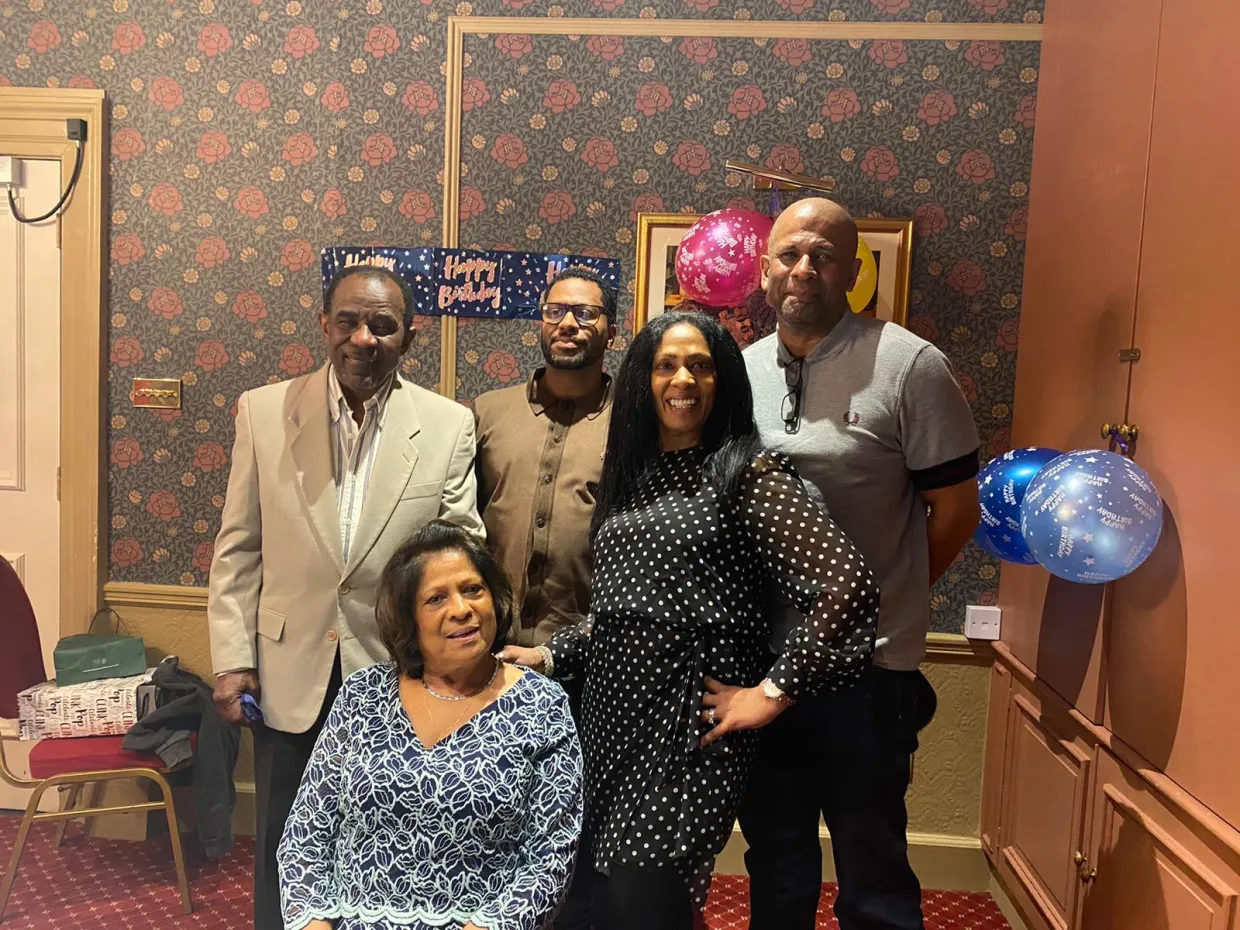
They had three children: Steve, now 61, Rhonda, now 58, and Ricky, now 55. Each of their children went on to have two children of their own, giving them six grandchildren: Luke and Kelly, Shannon and Paige, and Freya and Jonah.
Life for the next generation was very different from the difficult early years our parents experienced. We grew up with far more stability, security and opportunity than they had when they first arrived in the UK. Their hard work meant we had a warm home, food on the table, strong values, and the confidence to believe we could succeed.
The family remained rooted in North London. Steve went to school in Tottenham, Rhonda in Hornsey, and Ricky in Enfield. While we each had different experiences growing up, we were all raised with the same expectations: work hard, respect others, value education, stay humble, and never forget where we came from.
Our parents were proud of our achievements in education and employment, but they were never boastful. In fact, they always kept us grounded. They wanted us to do well, but they also wanted us to understand the sacrifices that had made those opportunities possible.
Their journey changed the direction of the whole family. What began with two young Caribbean people arriving alone in the UK became a family story of progress across generations with children and grandchildren growing up with more choices, more confidence, and a deep pride in their Caribbean heritage
Achievements & Legacy
Their proudest achievements were not measured only in job titles or possessions, but in the family, values and home they built.
From very difficult beginnings, they raised three children who all went on to build successful lives, careers and families of their own. Their grandchildren have also done well in education and are now making their own way in the world. As a family, we have been fortunate to achieve success across different fields, but that success has always been grounded in the values our parents taught us: humility, hard work, faith, generosity and respect for others.
They would never encourage boasting. In fact, they have always kept us grounded. But I think they can be quietly proud that the sacrifices they made opened doors for the generations that followed.
Their achievements also reached far beyond their own children and grandchildren. Our family home became a place of warmth, food, music, laughter and welcome. Friends were treated like family, and many still refer to them fondly as “Mum” and “Dad” because of the love, advice and support they offered so freely.
They gave without making a show of it. That spirit continues in the family today through community involvement, mentoring, charitable giving and supporting causes that matter to us.
For me, their greatest achievement is simple but profound: they came to the UK with very little, endured hardship with dignity, and created a legacy of opportunity, kindness, resilience and love.
Living Legacy
Their journey still lives in the way our family thinks, speaks and how we make time to come together.
We were raised to understand that history is shaped by people willing to stand up for what they believe in, people from all backgrounds who fought injustice, challenged unfairness and made sacrifices for social change. Many of those stories are not always fully recognised nationally, so much of that education came from home. Our parents taught us that knowing history was not just about the past; it was part of understanding who we are and the responsibilities we carry.
That spirit shows up in our family debates. Around the table, opinions are never in short supply. We do not always agree, but we were brought up to have a voice, to use it confidently, and to argue our points with intelligence, principle and respect. Our parents encouraged us to express ourselves, but to do so with knowledge, fairness and an understanding of different cultures, faiths and communities.
Their legacy is also felt in the warmth of family life. My mother’s cooking remains central to who we are and has been lovingly passed down, especially to my sister. Sundays and family gatherings still mean food, laughter, conversation and welcome.
Although we have all flown the nest, their home remains home. We return often with partners, children and grandchildren, and it remains a place of belonging. Their journey gave us opportunity, but also identity, confidence, conscience and pride in where we come from.
The Journey
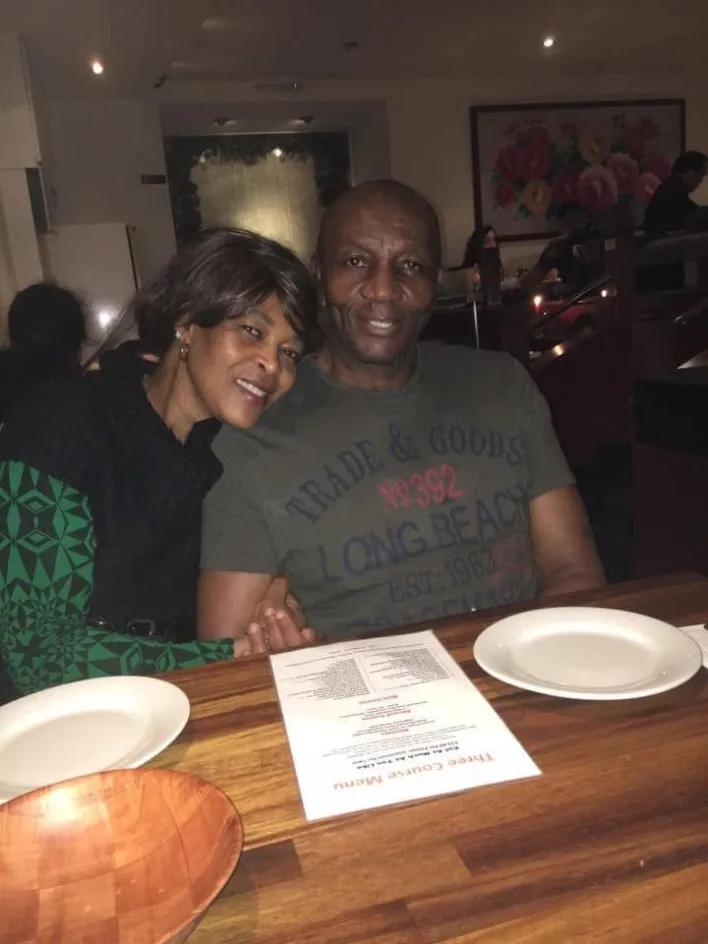
He was 6 when he came to the UK. He came from Jamaica. He came with his mother, Christina. He lived with his aunty. He had many different jobs such as paper runs, working in many different shops then eventually working in a Jewish bakery as a baker.
It was very hard he said life in the U.K. during that time. Racism, discrimination and just not given an equal opportunity. My dad opening Lincoln's Patisserie in 1988, it was an idea Lincoln had as he wanted to work for himself, he never knew it would become what it has become now, so many years later.
He brought he first home at 22. Joan met Lincoln when he was working at the Jewish bakery and they started dating properly after Lincoln opened Lincoln's Patisserie.
Challenges & Barriers
I remember him saying he had difficulties finding good work. He was only given paper run jobs, and many small level jobs. He felt a lot of discrimination and racism as it was a hard time for many black people during that time. My father was never really close with his dad, but he lived with his aunty and nephews. He had to pay his way in the household, as he had to pay for bills etc in the house.
The Next Generation
Lincoln has two children. The children lived in the same area, but didn't go to the same school.
Achievements & Proud Moments
Lincoln's Patisserie was an idea he had while working at the Jewish bakery in Silver Street back in the 80's. He had an idea to create a Jamaican and English patisserie as there wasn't anything like it at the time. The area he chose to open the bakery was definitely a risk, but overtime the bakery became bigger and more popular, and now it's become a proper staple in the north London community. Joan has been there every step of the way, helping to create a support system for Lincoln and the bakery business.
Living Legacy
Lincoln is a very hard-working individual who is also very compassionate. He gives to a few different charities and really cares for the staff members at the patisserie. Joan continues to be a support system to Lincoln making sure everything is working out properly.
The Journey
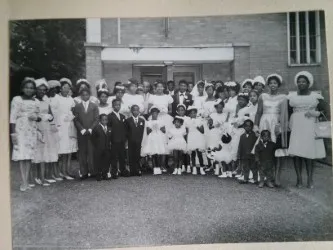
Born on the Caribbean "Emerald Isle" of Montserrat, Cynthia left her strict, religious upbringing in 1959 at the age of 16 to seek new opportunities in England. She travelled for many days aboard the TV Ascania, arriving at Southampton. The journey was arduous; as lower-class passengers, she and her companions were kept in the "belly of the ship" and fed a repetitive diet of cabbage.
Upon arrival, she navigated the train journey to Waterloo alone, asking strangers for directions in a country where a Black face was still a rarity. She initially lived in shared, crowded accommodation, eventually marrying her late husband, John Henry Greenaway, in 1963. They moved to Enfield in 1973. Cynthia's professional journey was remarkable: despite taking the first shop job available, she entered the medical field, training as a dental nurse and later working as a medical receptionist. Through merit and perseverance, she rose to the position of Practice Manager before retiring in 1997.
Challenges & Barriers
Cynthia's early years were shaped by the harsh reality of racism, which she encountered during her job searches and within the workplace. As she progressed through the medical field, her promotions were occasionally met with resentment from predominantly white colleagues.
Her unwavering Christian faith was the bedrock of her resilience, providing her with the spiritual strength to navigate these trials with a positive outlook. To overcome financial barriers, Cynthia and her community utilised traditional Caribbean saving schemes (Pardners). By pooling resources, her and John were able to secure the funds necessary to move out of cramped, shared housing. Her story is one of quiet, steadfast strength—navigating a world that was often unwelcoming with a grace that allowed her to build a stable, successful life for her family in Enfield.
The Next Generation
Cynthia and John raised three children in Enfield. They attended Southbury Primary and Ambrose Fleming Secondary School. At the time, they were among the few Black children in their schools and faced various instances of racism. However, they managed to cope and navigate their school lives relatively unscathed.
Her eldest daughter's first job was at E&E Kaye in Enfield, where she was the only Black person in the office. While Cynthia's children eventually found successful careers across London, the foundation she built was strong; all three of her children still live in Enfield in their own homes, ensuring the Greenaway family remains a permanent part of the local community.
Achievements & Legacy
Cynthia was a cornerstone of the Enfield group K.O.F.H.I. (Keeping Our Family Heritage Intact). She was instrumental in planning the annual "Black History Presentation" at the Dugdale Centre in Enfield and led the impactful "When Granny Came to England" school workshops. As "Granny," she brought the Windrush era to life for Enfield schoolchildren by sharing her 1959 suitcase and personal artefacts. A highlight was delivering this workshop to a captivated audience at Alexandra Palace.
Furthermore, Cynthia was a passionate food lover with an unmatched reputation for Caribbean cuisine. In her heyday, she ran a local catering service that became a staple for community milestones. She catered for several weddings and countless funerals, ensuring that Caribbean traditions were authentically represented in the culinary spreads she provided. Whether celebrating a new union or providing comfort during a time of loss, Cynthia's food was a vital expression of love and heritage in Enfield and beyond.
Living Legacy
Cynthia's journey from Montserrat to Enfield continues to shape our community. As K.O.F.H.I.'s resident "Windrush Elder," she provided an authenticity that books could never replicate. She donated her time selflessly, allowing children to ask questions and engage with history first-hand.
Her legacy is one of education, faith, and service; she transformed her personal struggles into a source of inspiration, feeding both the minds and spirits of the next generation. Whether she is being "Grandy" to her family or "Granny" to the community, she remains the heartbeat of our family, reminding us that our heritage is something to be celebrated and shared with pride.
The Journey
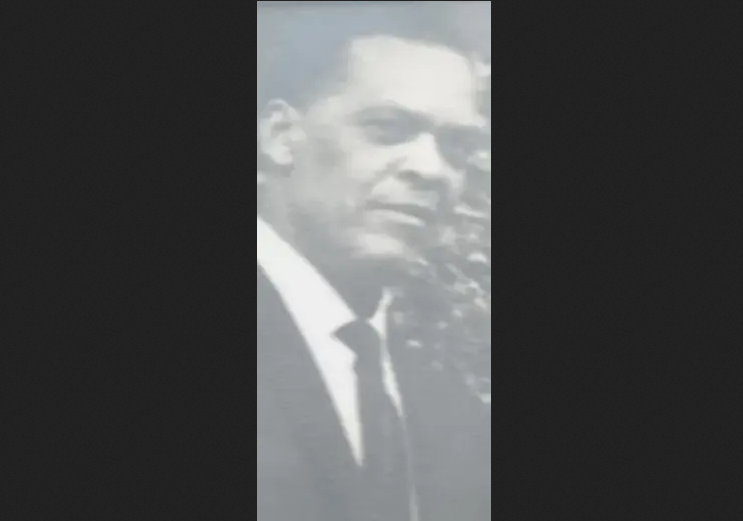
My dad travelled to the UK in 1960 at the age of 44 to work and save to bring our family of five over, my mum and four children. He settled in Tottenham and lived there until my mum, my eldest brother and myself came to join him in 1965 when he moved to Edmonton. He worked in a hospital that was situated on the grounds of what is now Millfield theatre on Silver Street. The hospital closed in the early eighties and my dad got the job as the first black park keeper in the nearby Pymms Park. He stayed there until both he and my mum retired back to Jamaica.
The Next Generation
My dad bought over his four surviving children of six to the UK. My eldest brother worked and the three younger ones went to local schools. He was grandad to 9 grandchildren, and I'm pleased to say he got to meet all of them before he passed in 2001. We grew up in a close-knit community with other black families in the area.
Living Legacy
My dad was well known in the community and through his work as a park keeper. He was a very generous upstanding person, always ready to give a helping hand where he could. His influence has stayed with me and I believe I share those traits.
The Journey
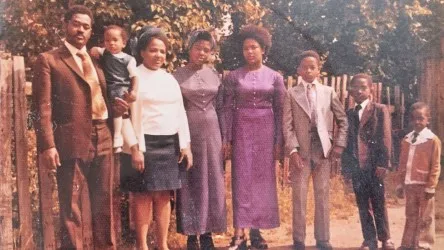
Maurice Henriques came to England in 1957 before asking Eunice Baker, who he sent to join him in the UK to become his wife. They were married in March 1958 and set up home in the London Borough of Enfield, in Edmonton, spending close to forty years there until they returned to Jamaica on their retirement.
Maurice worked as a telephone engineer for what was known then as British Telecom, offering decades of service until his retirement. He drove throughout the borough in the company's yellow 'Buzby' van, working to repair and improve telecommunications in homes across Enfield over the many years that spanned his employment. This was not the only van he was known to drive, as he regularly drove a passenger van to pick up congregants and children living in Enfield who attended their local church and Sunday school.
From arriving in England, Maurice continued in his devotion to God that he carried from Jamaica and joined community with Christians in local churches set up by those like him had immigrated from Jamaica. He started as a church deacon, then became an Elder and later a church Pastor. Throughout these roles he was committed to being of service to the congregation, and helped others keep their children in Sunday school by offering a pickup and return taxi in the church van to families local to Enfield and its neighbouring town Tottenham. He was a well-respected pastor in the neighbourhood and was instrumental in encouraging the faith of those he supported who remain in faith and service to church life to this day.
Apart from work as a devoted wife and mother in the home, Eunice was a dressmaker and auxiliary nurse. In her nursing carer she supported the sick and elderly throughout the borough of Enfield, attending their homes to administer medication, and assist with their health and hygiene. She also provided a home for babies and children with temporary foster care. Together Maurice and Eunice raised six children, that came along with 11 grandchildren and 2 great grandchildren, most of whom still live within the Borough today.
Challenges & Barriers
Although sharing a Christian faith, black-led churches became a necessity simply because they were not welcomed in the established churches in the UK. Maurice recalls visiting churches where the vicar would blatantly suggest another church they could attend elsewhere. The general reception for Jamaicans was not welcoming, so they established churches where they could express themselves in more livelier and engaging worship services.
The challenge of having to be resourceful raising a family of 6 children was common for the community who did not readily have access to financial support from the banks. This constraint was eased by relying on the system known as 'pardna', that most of the Jamaican community were engaged with. This is a traditional system whereby a group is formed e.g. of 5 or 6 people, sometimes more or less, and everyone takes turns in receiving an agreed sum of money from each member of the group. This could act as a low-cost loan or a dedicated saving vehicle amongst a group of trusted 'partners' (hence the name pardna).
The Next Generation
All Maurice and Eunice's children attended Bishop Stopford's School in Enfield. Of the five living children, four still live in the Borough along with their children. The son of the eldest child who passed away also lives in the Borough along with his two children, making three generations of the family having lived in the Borough. For Maurice's six children, attending a school in Enfield was different, in that whilst they were surrounded by children of their own culture at Sunday School on a Sunday, Monday brought a stark contrast where they would be one of a few if not the only black person in the classroom. However, attending school was driven home as a privilege by Maurice, who had to cut his schooling short to assist his dad on farm work. This encouragement was instrumental for seeing his children finish school, and attend further and higher education. His inspiration has enabled his son to progress a career in the field of tech, becoming the founder of software in an app to digitally automate the Pardna system available for all to be part of this rich, and wealth creating tradition.
Achievements & Legacy
Maurice's family is proud of him for although his education was cut short in Jamaica, he was ambitious and resourceful enough to venture to an unknown country and build a new life. He held down continuous employment, learning a technical skill that gave them a source of security. At the same time, he took on church leadership responsibility, earning respect as a trusted member of the community, carrying out marriages, the blessings of children in the church, and funeral ceremonies. The family saw and shared the emotional toil that Maurice and Eunice experienced as their eldest child battled a chronic illness that brought along her untimely death at age 34. We also witnessed the strength both he and his wife possessed to continue as figureheads in their local church to support others going through similar family bereavement.
Living Legacy
Members of his congregation still continue in faith and church leadership, keeping the premise of service to community as a virtue.
The Journey
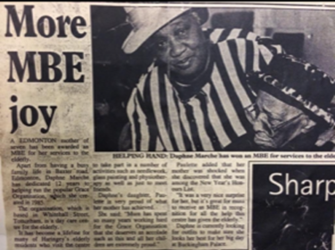
Daphne Marche MBE came to the UK from Jamaica in 1962 as a young woman seeking new opportunities and a better life for her family. Settling in Enfield, where she lived for over 4 decades, she worked tirelessly in a variety of demanding roles while becoming increasingly aware of the challenges faced by older people in her community. Driven by compassion and a deep commitment to helping others, she began visiting elderly residents in their homes and delivering meals, eventually dedicating her life to community care. In 1983, she founded GRACE Organisation from her kitchen at home, creating a lasting legacy of support, dignity, and service. Her extraordinary dedication was recognised with an MBE from HM Queen in 1997, alongside many other accolades celebrating her lifelong contribution to the community.
Challenges & Barriers
After arriving in the UK, Daphne Marche encountered many of the common challenges faced by Windrush generation. Finding suitable work and housing were some of the challenges expressed. Often accepting roles below her skill set. Housing was a common challenge as many landlords refused to rent to Caribbean migrants. Many were forced to rely on word-of-mouth networks and the support of friends to find somewhere safe to live. There were also times where wider families were sharing accommodation leading to overcrowding in some circumstances. Daphne also faced moments of discrimination in public spaces and workplaces, where she had to navigate unfair treatment with quiet strength and dignity. The cold climate, unfamiliar customs, and distance from home added emotional strain, especially as she missed family members she had left behind. Despite these barriers, Daphne showed remarkable resilience. She built community connections especially through the church family and leaned on the support of other Caribbean families. She created a stable foundation for the generations that followed. Her perseverance in the face of these obstacles remains a powerful part of her story.
The Next Generation
The strength and determination Daphne Marche showed after arriving in the UK created opportunities that shaped the lives of the next generation. Her children and grandchildren grew up with a strong sense of identity, grounded in the values she carried with her from the Caribbean — resilience, respect, and pride in their heritage. Because of Daphne's hard work and sacrifices, the next generation had access to better education, more stable housing, and a wider range of career choices than she herself had been offered. Her home became a place where culture, family stories, and traditions were passed down, helping younger relatives and all those surrounded by her to understand both the struggles and the triumphs of those who came before them. Daphne's journey laid the foundation for a family that could dream bigger, achieve more, and feel rooted in both their Caribbean heritage and their British upbringing. Her legacy continues to guide and inspire each new generation.
Achievements & Legacy
Daphne Marche's life in the UK became a remarkable story of leadership, service, and community transformation. One of her greatest achievements was founding the GRACE Organisation, a community organisation that has been running for over forty years and has supported more than one thousand senior citizens. What began as a small effort to care for elders in her community grew into a vital institution, offering companionship, dignity, and practical support to generations of older people. Daphne's dedication to service was recognised at the highest level when she was awarded an MBE, a testament to her lifelong commitment to improving the lives of others.
Her influence extended far beyond her own accomplishments. Daphne became a guiding force for her children and grandchildren, instilling in them the values of hard work, compassion, and pride in their heritage. Because of her example, the next generation went on to make significant contributions to British society across education, public service, community work, and professional fields. Her legacy is not only the organisation she built, but the spirit of leadership and service she passed down — a legacy that continues to shape and uplift the family and the wider community.
Living Legacy
Daphne Marche's journey from the Caribbean to the UK has become a defining part of the Marche family identity. Her courage in travelling to the UK, her resilience in overcoming discrimination and hardship, and her determination to build a life of dignity laid the foundation for everything that followed. The creation of the GRACE Organisation stands as one of her most powerful legacies.
Daphne's achievements are more than historical milestones — they are a source of recognition and inspiration. Her values of service, leadership, and compassion have shaped the next generation. Her story reminds each family member of the strength they come from and the responsibility they carry to continue uplifting others. Daphne's life is a testament to the power of perseverance and community, and her legacy continues to guide, influence, and inspire all who follow in her footsteps.
The Journey
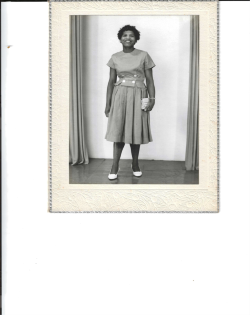
My dad and my mum were 33 years old when they arrived in England from Barbados (Dad in 1957, mum in1959). They came by ship. My dad's brother had arrived 3 years before him and had bought a home. All of my uncle's siblings started their time in England in his home before 3 of them moved out of London and my parents and one of my uncle staying in Ilford, Essex. My dad acquired work as a forklift driver, and my mum made lightbulbs. My dad often repeated that if he had the money, he would have sent mum back to Barbados to be with my siblings and I. Mum eventually settled but the distance from her children and parents had a serious emotional impact on her health.
Challenges & Barriers
Life was challenging for my parents' generation. It was very difficult to get accommodation which made being able to live with my uncle on arrival, a blessing. My parents purchased their house in 1963 and members of the family and friends arriving from Barbados initially stayed with them, until they sent for me and my siblings. My parents' generation used the 'Pardner' system which help this generation to have deposit for their own homes. The 'Pardner' system meant they had to be a great deal of trust in the person 'holding the purse' for the monthly distribution of the money i.e. whose turn it was to get the collective money each month.
My dad regularly/repeatedly talked about the levels of racism he faced in the workplace and the ways he challenged racists comments. Mum's response was to leave one factory and go to another one if she encountered racial abuse, which was often. It was very easy for them to get jobs in factories as there was still a shortage of labour - which of course was the reason for them being invited to come to England in the first place.
For us children it was hard to reconnect with parents we had not seen for 7 years and 5 years respectively. Generally, the impact on this length of time of disconnection by my generation played out in withdrawal or anger for some children. My dad left Barbados 3 months before my sister was born, and mum left when my sister was 18 months old. When I left Barbados, my great grandmother (Florence William) and my grandparents - (Lesley and Altina Jordan) were alive. When I returned to Barbados in 1980, taking my three young sons with me, my great grandmother and grandfather had both passed. This was yet another emotional impact on the Windrush generation. Many struggle to find the money to visit or return for grandparents, parents or siblings funerals.
The Next Generation
My parents had 5 children (my youngest brother was born in England). They had 9 grandchildren.
Most of us stayed in the area. My youngest brother went to university in Sheffield and visiting home but bought his first house outside of London.
My sister and I went to the Mount Girls School and my brothers to Loxford Boys.
Many of that generation held the desire to return to live in their home country. My parents chose not to return to Barbados, choosing instead to stay with their children and grandchildren. I think the trauma of being separated from us when they left Barbados played a key role in their decision. My dad lived to see several of his grandchildren. Mum lived (to age 91) and saw some of her great-grandchildren. I think these relationships continue to bind us together as a close family unit - many decades later.
Achievements & Legacy
Our achievements were our parents achievement. I took my mum to my MA in Education graduation in 1990. She stood next to me and proudly announced "Didn't I do well!"
Seeing my achievement as her achievement. She saw me honoured with an OBE and a 50th Anniversary Award from the Barbados government (2017) for my contribution to education and community in the diaspora. My parents were proud of all of us and lived out their hopes and dream through me and my siblings. Dad died on the 28th December 1994, a few days before I took up my first headship but knowing that his hard work was very much appreciated by his children. All of us thrived in our professions which included Education, Social Care, Banking, Chemistry.
Living Legacy
My parents were very ambitious for their children. They saw education as the key to success. They were not aware that the British education system of the 50s and 60s saw many Black children as being educationally sub-normal. My parents focused on encouraging us to work hard at school. Their vision for us was that none of us would end up working in factories, like them, but to all do well enough to get jobs in offices. We all achieved this in different fields, with 3 of us attending university in our 30s and 40s. My mum was an ardent volunteer and well into her 80s was taking part in charity work. All my siblings and I have found different ways of serving our communities. Our children have in turn thrived to excel with several attending universities. I was one of the founders of The Sickle Cell Society, East London Black Women Organisation (ELBWO), Newham African Caribbean Centre, several Saturday schools, and other organisations in the late 1970s and early 80s. These were groundbreaking days for Black people coming together and creating several organisations/community groups to serve our community.
My links with Enfield started in January 2000 when I became Headteacher of Raynham Primary School which lasted for 20 years. I worked with a number of schools who needed support in improving the quality of teaching and learning, I have had links with Enfield Caribbean Association since 2000 and am currently Patron of the Association. I am also a member of, and currently a Trustee of Success Club which is based in Enfield. Raynham was one of the first schools to have Success Club working with children.
My family continue to be deeply involved with volunteering for a number of groups.
The Journey
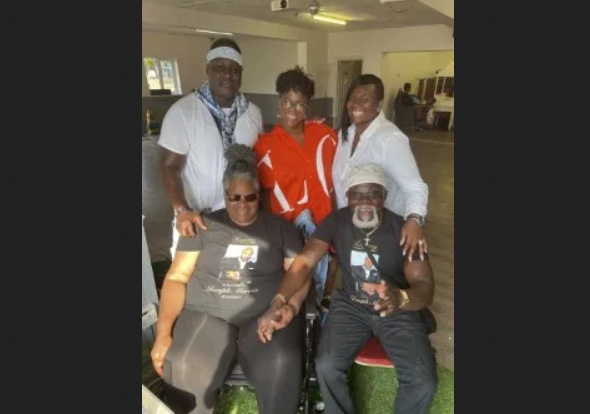
Philip and Letetia came from Jamaica to London in their late teens and met their family members here when they arrived. Philip came over by boat to Southampton, Letetia came by plane. Both lived in the North London area near Stamford Hill. Their journey, demonstrated courage, independence and a deep commitment to building a better life not only for themselves but for generations to come.
Philip went on to become a leather cutter, and Letetia was a dressmaker, designer and pattern cutter, bringing skill, creativity and pride into their work and contributing meaningfully to both their community and their industries.
Philip remembers the British Government coming to Jamaica to recruit people for service roles such as nursing and the railways. But when they got to England, life was challenging, and it was hard to get jobs, but both managed to find work in their field, showing remarkable resilience, determination and a refusal to give up in the face of adversity.
Many of Philip's friends didn't have places to live; they arrived at Liverpool Street and made their way to Finsbury Park where some of them slept. When housing was found, there were many sleeping in one room, yet through these harsh conditions, strong community bonds, mutual support and shared strength helped people survive and rebuild their lives.
Memories of those days include racism, police brutality and segregation of Black people, but despite this, Philip and Letetia stood strong with dignity and resilience, helping to lay the foundation for a more just and inclusive society.
Challenges & Barriers
Financially things were hard, but being with family made it easier, with love, unity and collective strength acting as a powerful support system. Most of their family were in England, with some still back home.
They lived in houses with immediate and extended family until they got married, demonstrating the importance of togetherness, sacrifice and shared responsibility. Philip recalls that in the Stamford Hill area, many Jewish families allowed Black people to stay in their large houses, even though they were overcrowded, reflecting moments of compassion, solidarity and humanity across communities.
There would be 7–8 people in one room at times. He vividly recalls signs saying "no Blacks, no Irish, no dogs," a stark reminder of the discrimination they endured and overcame with strength and pride.
Communities came together in each other's homes, Caribbean clubs and churches, creating vital spaces of belonging, cultural pride, faith and celebration that helped sustain and uplift the community.
The Next Generation
They had four children and ten grandchildren, building a strong, loving and ever-growing family legacy. The family moved from Hackney to Tottenham, then Edmonton to Enfield.
The children attended school and college locally but some moved away as they grew up and started families. Life was very different for the children; the foundation laid by the Windrush generation was a solid one, rooted in sacrifice, hard work, discipline and ambition, which opened doors and opportunities for the next generation.
The experiences of racism and segregation did not affect the next generation in the same way, largely because of the strength, perseverance and sacrifices of Philip and Letetia, who paved the way for them to thrive, although they faced their own challenges.
Achievements & Legacy
Philip and Letetia were considered community legends, widely respected figures whose impact has been deeply felt across generations. Their home in Edmonton became a safe place for many young Black children growing up in a predominantly white area, offering not just safety, but guidance, care, protection and a true sense of belonging.
Philip became a key role model in the community, inspiring, guiding and uplifting countless young people to believe in themselves and achieve more. He mentored many of his children's friends and helped them build positive futures, leaving a lasting and transformational impact on their lives.
He worked in youth clubs such as New River and Craig Park as a youth worker and mentor for many years, and later, the couple became foster carers, continuing their lifelong commitment to supporting and nurturing young people. Many young people used their home as a safe haven for decades, a powerful testament to the trust, love and respect they built within the community.
They have shaped their family into role models in their community and beyond, creating a legacy defined by leadership, compassion and service to others.
Living Legacy
The foundation laid by Philip and Letetia continues to shape the lives of their children and grandchildren, instilling strong values of resilience, unity, service and commitment to community. They have modelled and instilled the importance of family relentlessly, showing that family extends beyond blood to include community, care and responsibility for others.
Their legacy lives on powerfully through their children:
Daughter Karen with Place of Dreams, whose work is truly exceptional and transformational — creating powerful spaces across Enfield and beyond where young people can express themselves, build confidence and thrive through creativity and care. Her leadership and vision continue to change lives and strengthen communities.
Son Marlow with The Legacy Foundation. It is a grass roots, ground-breaking charitable organisation providing local communities with a multitude of projects, workshops, initiatives and events. The main objective of the Legacy Foundation CIC is to enrich, empower and enfranchise the next generation of children and young people as well as provide help and support to the parents and carers of these local communities also.
Lisa with Created 2 Care (C2C), established in 2015 it currently provides accommodation, care and assessments for some of society's most vulnerable and disadvantaged young people. Created2Care an Ofsted registered residential childcare company has 30 staff and 2 therapeutic children's homes who care for children aged 6-18 in London and Hertfordshire.
Joe Morris, who sadly passed away, but whose legacy lives on through the Joe Morris Boxing Club, which has become a powerful force in enabling and supporting young people through boxing, discipline and mentorship. Through the gym and youth club, countless young people have been given direction, confidence and purpose — a lasting and inspiring legacy that continues to uplift the community every day.
The Journey
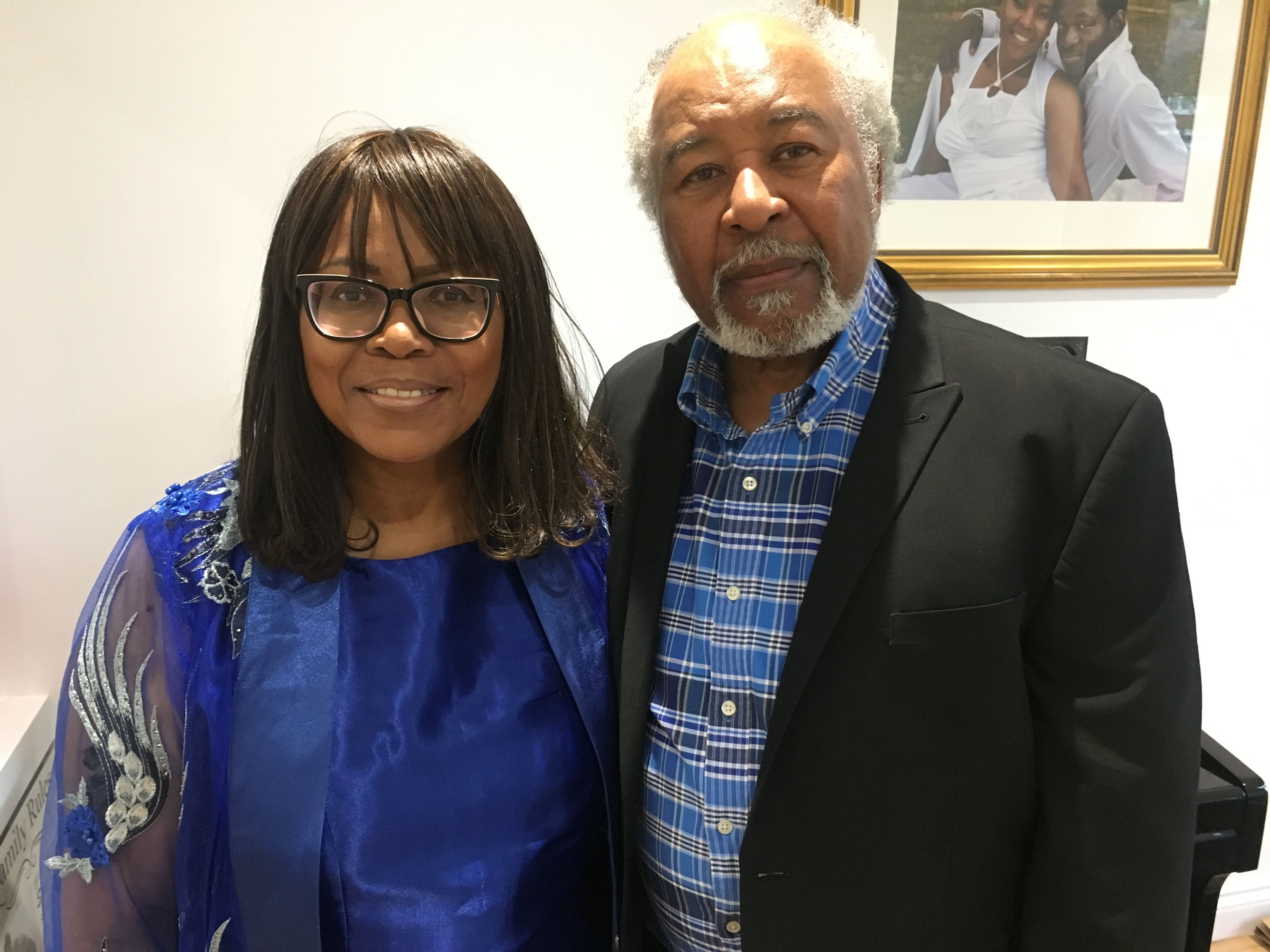
Cherry completed her secondary education at Harrison Memorial, a private high school in Montego Bay which was run by the Seventh-Day Adventist church. She subsequently matriculated into West Indies College in Mandeville, now Northern Caribbean University. Her tenure at West Indies College was short-lived because in 1972 she would leave Jamaica to join her mother, Miss Vie, in London. Once in London, she did a variety of odd jobs while she settled in and found her place in the city that would turn out to be her home for the next fifty-two years. Not only did she work in those early days, but she also began to integrate herself within the British education system by studying for O and A level subjects at the Northwest Haringey Adult Education Centre. It would seem then that the stage was set for her to settle completely in London and make a life for herself. But something was missing. One year before she moved to England, she had met a young man called Clifton Legister, known by all as Barry. It was clear to all who knew her that she felt utterly incomplete without him. There was no doubt that not only had she envisioned a future with him, but she also found it impossible to envision a future without him. She returned to Jamaica in 1974 for a brief visit, then went back in 1976, got married to the love of her life and spent an extended period in Jamaica before returning to London, for good, in 1978. Omar would be born in October of that year and a year and a half later they were blessed with the arrival of Simonette. The biological nucleus of the family was thus firmly established. Then Richard appeared and completed the picture.
For Cherry, family was always much more than biology. Her desire to care for others was limitless, her compassion knew no boundaries. And her foster children, too many to name, can all attest to the transformative power of her love, her affection, and her discipline (which was often firm). Her home was always buzzing, most often with laughter and sometimes with tears. But it was always alive, and everyone was welcome.
Challenges & Career
Her career history speaks to the bold, unyielding, and determined strength of character which she possessed. In the early 1980s she worked part-time with the London Borough of Enfield as a youth leader at the Craig Park Youth Centre. This overlapped with her tenure as Residential Social Worker with Haringey Social Services at the Mountfield Community Home. From 1986 to 1991, she worked in the Court Section. Her role there was both arduous and complex. She provided welfare services to Shoreditch Court and to the Magistrate Courts. But as involved as the professional aspects of the job were for her it was made even more challenging because of some of the social pressures which accompanied them. As one of the first female court officers in Hackney (and by extension one of the first Black female court officers) she was forced to deal with numerous racist and sexist roadblocks which were, even then, still normalised within the culture of many of our public institutions in this city.
But rather than succumbing to these negative pressures, undaunted and unbowed, Cherry set up her own practice. She was disturbed by the institutional focus, in Social Services, on criminalising children and monitoring them through the court system. She wanted, instead, to transform the lives of children in need, through nurturing rather than punishment. And so, in true pioneering spirit, she established the first private children's home ever to be set up in Enfield.
The Next Generation
Like her mother before her, she took risks and broke down doors, so that later generations of family members, friends and immigrants in general could have an easier path to find their way in society. The Children's Home became not just an example of a different way to do social work, it also became a way to demonstrate the potential of black entrepreneurship to thrive and also take care of the family, the community and beyond. Those of us (family and friends) close to Cherry saw first-hand, both the glories and the tribulations, the heartache and the triumphs involved in directing and managing this establishment.
Cherry was a mother to many, grandmother, sister, aunty, cousin and friend. Let us salute her equally remarkable life partner, husband and best friend, Barry. They had known each other for 53 years and were married for 48 inseparable years. And it is impossible to conceive of the one without the other.
Achievements & Legacy
The children's home is now in the capable hands of the next generation of the Legister family. And this generation of the family has been strengthened by their observation of the way their mother, Cherry, dealt with both success and adversity. Her success was shared with everyone. But she never complained and never broadcast her sorrows even when things seemed too dark for others to contemplate.
A tireless worker with an infinite love for God, Cherry was a minister of the gospel who led not from above but from the ground. She established numerous initiatives throughout her life, all of which were (in one way or another) aimed at bringing out the best in people, particularly those who were forgotten or underserved by society. In the early 2000s she acquired a huge property in Cambridgeshire, Chatteris House, which many thought would be suitable for luxurious mansion living. But her objective was to transform it into a school for disadvantaged children. That initiative was not successful, but in 2002 she set up Essential Achievers in Winchmore Hill. This school catered to the needs of children who, for a variety of reasons, could not fit into mainstream schools. And it also supported children who were in care.
Living Legacy
One of Cherry's last major undertakings was the establishment, in 2021, of the Charity Bridge of Hope & Empowerment. Her legacy shines through Bridge of Hope's many projects aimed at both empowerment and inclusion a source of removing hunger erasing isolation. Bridge of Hope honours her memory as it ministers to those of us who, for whatever reason, have fallen outside of the realms of safety.
The steadfast nature with which she kept going throughout her life is perhaps best described in words drawn from Proverbs 31: 'She considered a field, and she bought it, out of her earnings she planted a vineyard, her arms were strong for her tasks, she saw that her trading was profitable, and her lamp never went out at night'.
Audio Tracks from the Bench
The talking bench in Pymmes Park Enfield is the first solar powered talking bench honouring the Windrush generation. We have 10 different audio tracks that have been uploaded to the bench. If you press the button, you will hear a short audio track with stories connected to the Windrush. Keep pressing the button, and you will hear all 10!
Affectionately known as Parky was the beloved parkkeeper at Pymmes park. In this excerpt from a podcast produced by Marlene C, you'll hear a charming conversation with his daughter Carolyn.
We invited members of the Windrush generation to share their stories and experiences. In this clip, you'll hear from Johnson, who shares his journey travelling to England and his early impressions of the country, including the weather he encountered on his arrival.
Elaine and Ken share stories of moving from the Caribbean as part of the Windrush generation. Elaine talked about her first memories of arriving in England. She spoke about how she worked hard to achieve independence.
In this clip, you'll hear from Amelia and Cynthia, two members of the Windrush generation.
We were really pleased a Bishop from Enfield shared what life was like for the Windrush generation arriving in the borough.
Young people from Enfield sat down with members of the Windrush generation hearing their experiences and advice.
Rudolph Walker CBE celebrated actor and author reads extracts from his book reflecting on his early life growing up in Trinidad.